Refrigerator
Refrigerator Making a Loud Buzzing or Clicking Noise: What It Can Mean
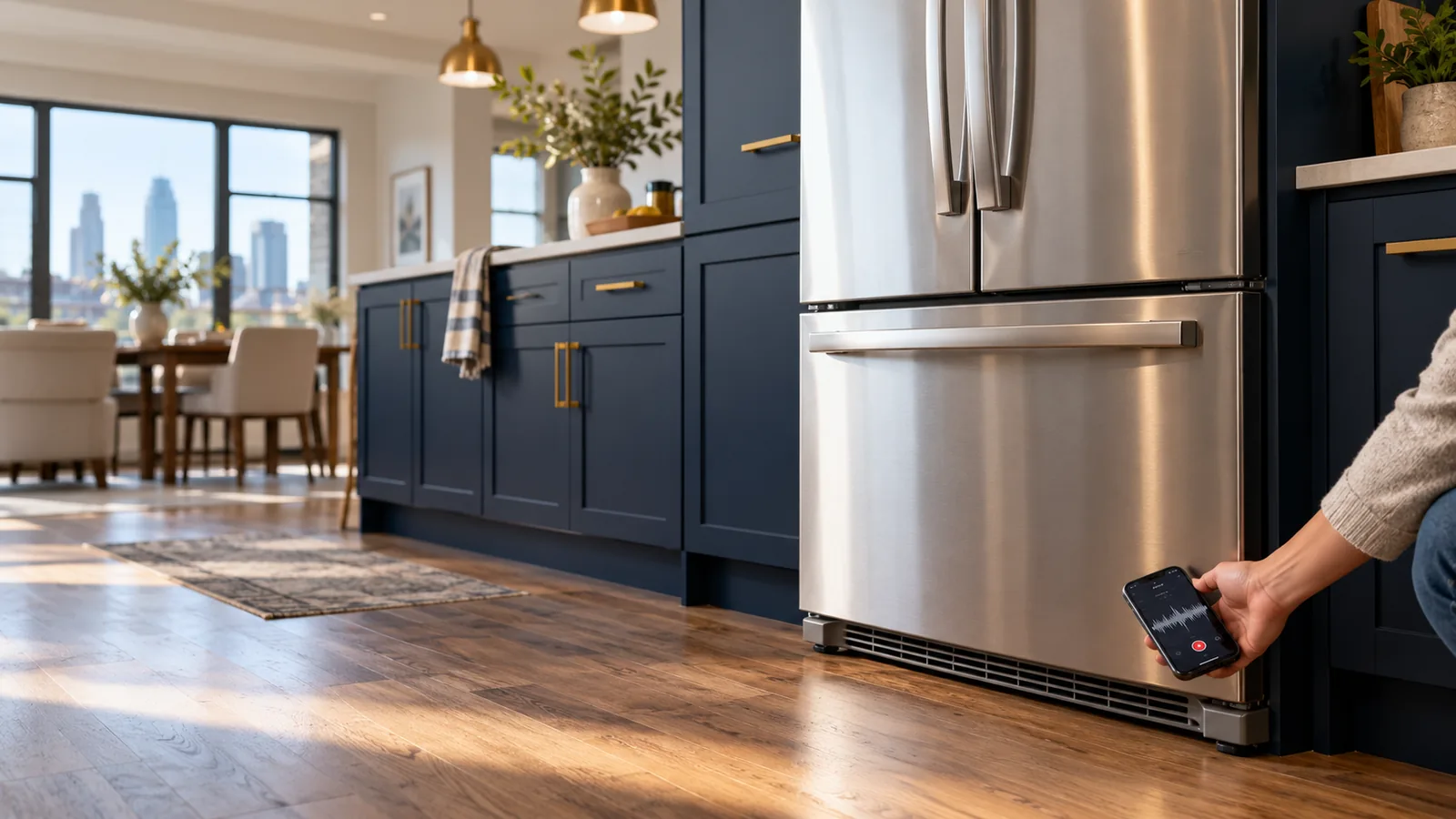
A new buzzing, repeated click, or loud vibration can come from normal operation, airflow strain, a fan, a control, or a cooling-system concern. The timing and location of the sound matter more than the volume alone.
Published October 22, 2026 · 8 min read
Start by observing the pattern
A new buzzing, repeated click, or loud vibration can come from normal operation, airflow strain, a fan, a control, or a cooling-system concern. The timing and location of the sound matter more than the volume alone.
Before changing settings or trying multiple cycles, note when the symptom begins, what the appliance was doing immediately before it, and whether it changes with normal use. A short, accurate symptom timeline gives a repair professional more value than a guess at the failed part.
Compare the appliance with its normal behavior rather than with an assumed universal standard. An intermittent sound, temperature change, or cycle interruption may be more revealing when paired with the time of day, load size, door position, or weather conditions in the room.
Use the owner’s manual for model-specific homeowner maintenance only. If the appliance has an error code, take a photo or write it down rather than clearing it repeatedly. This article is intended to help you make a safer decision, not to replace a diagnosis.
Safe checks homeowners can make
Look for obvious, external conditions: a door or drawer that cannot close, blocked airflow around an appliance, a normal filter that needs cleaning, an overloaded load, or an accessible setting changed by accident. Keep the area dry, clear, and well lit while you inspect.
If the appliance is connected through a visible cord, look for obvious exterior damage without handling exposed wiring. For water-related symptoms, protect the floor and nearby cabinetry first. These observations support a better repair conversation without requiring disassembly.
Do not use sharp tools, chemical drain cleaners, improvised wiring, or excessive force. Those shortcuts can harm the appliance, hide useful evidence, or create a safety risk. If the symptom involves heat, water, electricity, gas, or a sealed cooling system, a professional check is the right next step.
Why the same symptom can have several causes
Appliances protect themselves in different ways. A cycle may stop because a sensor, lock, temperature condition, airflow restriction, drain path, or control is outside its expected range. That is why replacing a commonly mentioned part from an online search often does not solve the actual issue.
A problem can also appear to be one appliance concern while the surrounding conditions contribute: a crowded refrigerator vent, overloaded washer, damaged external vent, poor room ventilation, or a supply issue. Professional diagnosis considers both the appliance and the symptom pattern.
The practical question is whether the appliance is stable and safe to use while you arrange help. If performance is changing, protect food, flooring, and nearby surfaces as appropriate, then avoid repeated use until you understand the cause.
Plan a more useful repair visit
Have the appliance brand, model number, approximate age, and a plain-language description ready. Mention the first time you noticed the issue, any sounds, odors, leaks, frost, heat changes, and error codes. This helps the visit start with the right information.
If you have photos or a short video of a non-dangerous symptom, keep them available for the appointment. Do not recreate a safety issue just to document it. Clear notes about what changed and what still works normally are often enough.
DAPL Appliance Repair serves Charlotte, Mint Hill, and nearby communities when route and appointment availability allow. The goal is clear, practical next-step guidance based on the appliance in front of you.
When to call a professional
Get help before a small symptom becomes a bigger interruption.
- The symptom is worsening, recurring, or preventing normal safe use.
- There is a leak, burning smell, smoke, sparking, gas odor, or loss of cooling.
- The basic external checks did not resolve the concern.
Related local repair pages
FAQ
Common questions
Can I keep using the appliance while I wait?+
That depends on the symptom. Stop use for safety concerns, leaks, unstable cooling, burning smells, sparking, gas odor, or unusual heat.
What should I have ready before booking?+
The model number, the symptom timeline, error codes, and a note about sounds, odors, heat, water, frost, or cycle behavior are especially helpful.
DAPL Appliance Repair
Need local appliance repair?
Tell us what the appliance is doing. We serve Charlotte, Mint Hill, and nearby communities, with appointment availability based on the route and schedule.